
Authentic Communication – The Superpower Every Modern Leader Needs

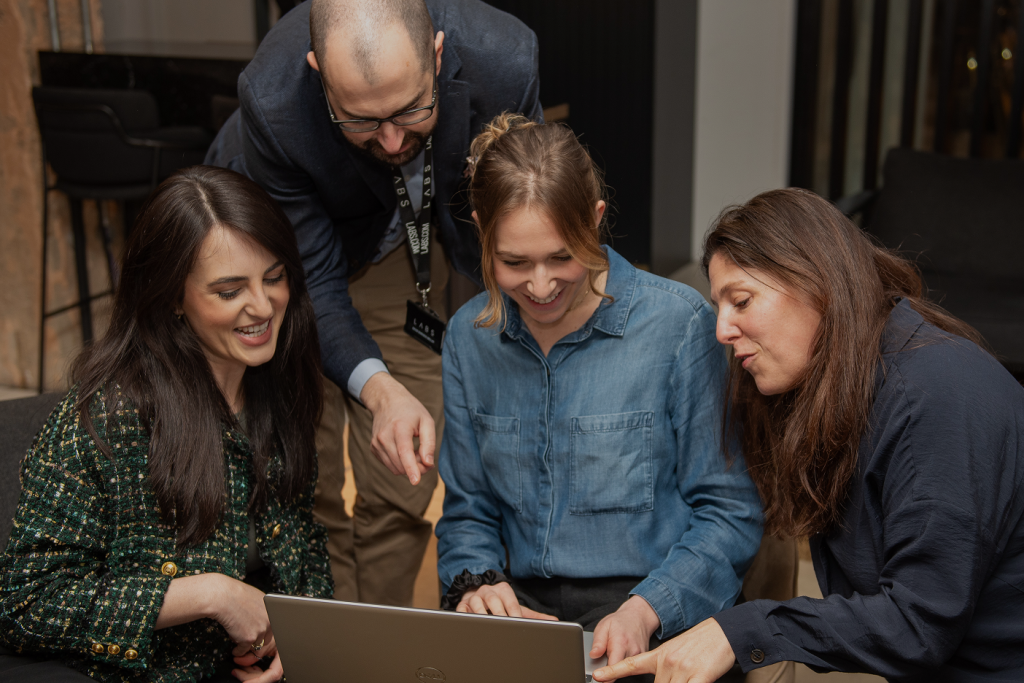
At the executive level, decisions move faster, stakes are higher, and personalities are often stronger. When conflict arises, as it inevitably does, it can either fracture alignment or fuel performance.
In our recent webinar on Navigating Conflict With Grace, Dr. Lindy Greer offered a compelling insight:
“Conflict isn’t something to avoid, it’s a core ingredient of executive team excellence.”
A professor of management and faculty director for leadership development at the University of Michigan’s Ross School of Business, Dr. Greer is a leading researcher in team dynamics and leadership conflict.
She’s advised powerhouse organisations like Amazon, Google, and the NFL, and her work is rooted in academic rigour and real-world impact.
Her perspective on conflict is unique: she doesn’t just study it, she equips leaders to thrive within it.
Why Executive Conflict Is Inevitable (and Necessary)
The higher you climb in an organisation, the more complex the decisions, and the more potential for differing opinions.
“Conflict is simply the expression of difference. If an executive team isn’t having conflict, it probably means they’re not addressing the real challenges, or they don’t feel safe enough to disagree.”
Instead of trying to eliminate conflict, Dr. Greer encourages leaders to normalise it, structure it, and channel it.
What Makes or Breaks an Executive Team?
Dr. Greer outlines three key pillars for navigating executive-level conflict successfully:
1. Practice the Muscle
“Teams that avoid small day-to-day disagreements are setting themselves up for big blowouts later, often during high-stakes decisions like annual budgets or strategy pivots.”
By treating everyday friction (e.g., a disagreement about priorities) as a practice ground, teams build the skills they need when tensions escalate.
She’s seen executive teams engage in different tools to practice more debate in their team, For example, in healthcare technology c-suite, the team adopted a mantra of ‘debate, commit, and act’ and had each member serve as a rotating team-coach each meeting to debrief how well the team in living up to the mantra.
In an intelligence agency, she saw them embrace murder boards, where they put an idea for feedback on a board and over the next 24 hours, employees could walk by with post-its with the questions or challenges around the idea.
In the leadership team of a non-profit, she saw them formalise a rotating devil’s advocate each meeting, where the person playing the role had the job to ask tough questions and encourage different points of view.
2. Plan for Conflict – Don’t Wait for It to Explode
Too many teams only address issues when it’s already tense. Dr. Greer’s advice? Build in release valves.
“The best executive teams formalise feedback, use clear agenda structures, and never blindside each other. If conflict is inevitable, then let’s prepare for it.”
Some of her recommendations include:
1. Set expectations in agendas (e.g. “debate approach to Q4 hiring”):
By setting expectations in advance that debate is expected, research shows that people will better prepare and show up focused on exchanging and debating information (versus each other). She’s seen a c-suite in London use this to good effect in time-stapping agenda items for meetings, where they formally block time for debate.
2. Use a rotating devil’s advocates or red team/blue team structures
Giving team members a formal role that requires teams to debate can make things like about personality and style, and more about facilitating a good debate of the facts. Make sure to explain to people in advance what the job description is of these roles.
3. Flagging emotionally sensitive topics in advance to reduce threat response:
Don’t blindside people (or teams) with negative feedback. Let people know in advance the topics you want to talk about and level set, so they walk in prepared.
- Faster closes, lower costs
- Keep control
- Include strategic investors
- Raise from many
Culture Starts with Communication
Whether you’re building a thriving business, navigating a crisis, or shaping boardroom dynamics, how you communicate determines the culture you create.
- Include strategic investors
- Raise from many
The Serlin Method ® is built on simple, practical tools that create profound impact. Tools like the Meal Plan, Lemonade Technique, and Empathy Hat help leaders show up with clarity, integrity, and care.
The Time to Act is Now!
At London Speech Workshop, we help leaders and teams develop authentic presence, powerful messaging, and unshakable confidence – through coaching grounded in the Serlin Method ®.


Our Interview Power is a totally new approach to interview training that goes far deeper than eye contact and a firm handshake (which are still important first steps). We incorporate tools from coaching, performance and psychology, as well as classic interview training and bring it together in a seamless way that leads to tangible results. Our ultimate goal is to help you nail that interview and get that dream job.
Our Interview Power is a totally new approach to interview training that goes far deeper than eye contact and a firm handshake (which are still important first steps). We incorporate tools from coaching, performance and psychology, as well as classic interview training and bring it together in a seamless way that leads to tangible results. Our ultimate goal is to help you nail that interview and get that dream job.
Our Interview Power is a totally new approach to interview training that goes far deeper than eye contact and a firm handshake (which are still important first steps). We incorporate tools from coaching, performance and psychology, as well as classic interview training and bring it together in a seamless way that leads to tangible results. Our ultimate goal is to help you nail that interview and get that dream job.
Our Interview Power is a totally new approach to interview training that goes far deeper than eye contact and a firm handshake (which are still important first steps). We incorporate tools from coaching, performance and psychology, as well as classic interview training and bring it together in a seamless way that leads to tangible results. Our ultimate goal is to help you nail that interview and get that dream job.
Our Interview Power is a totally new approach to interview training that goes far deeper than eye contact and a firm handshake (which are still important first steps). We incorporate tools from coaching, performance and psychology, as well as classic interview training and bring it together in a seamless way that leads to tangible results. Our ultimate goal is to help you nail that interview and get that dream job.
Our Interview Power is a totally new approach to interview training that goes far deeper than eye contact and a firm handshake (which are still important first steps). We incorporate tools from coaching, performance and psychology, as well as classic interview training and bring it together in a seamless way that leads to tangible results. Our ultimate goal is to help you nail that interview and get that dream job.


 addressing the real challenges, or they don’t feel safe enough to disagree.”